Map the System Canada 2026
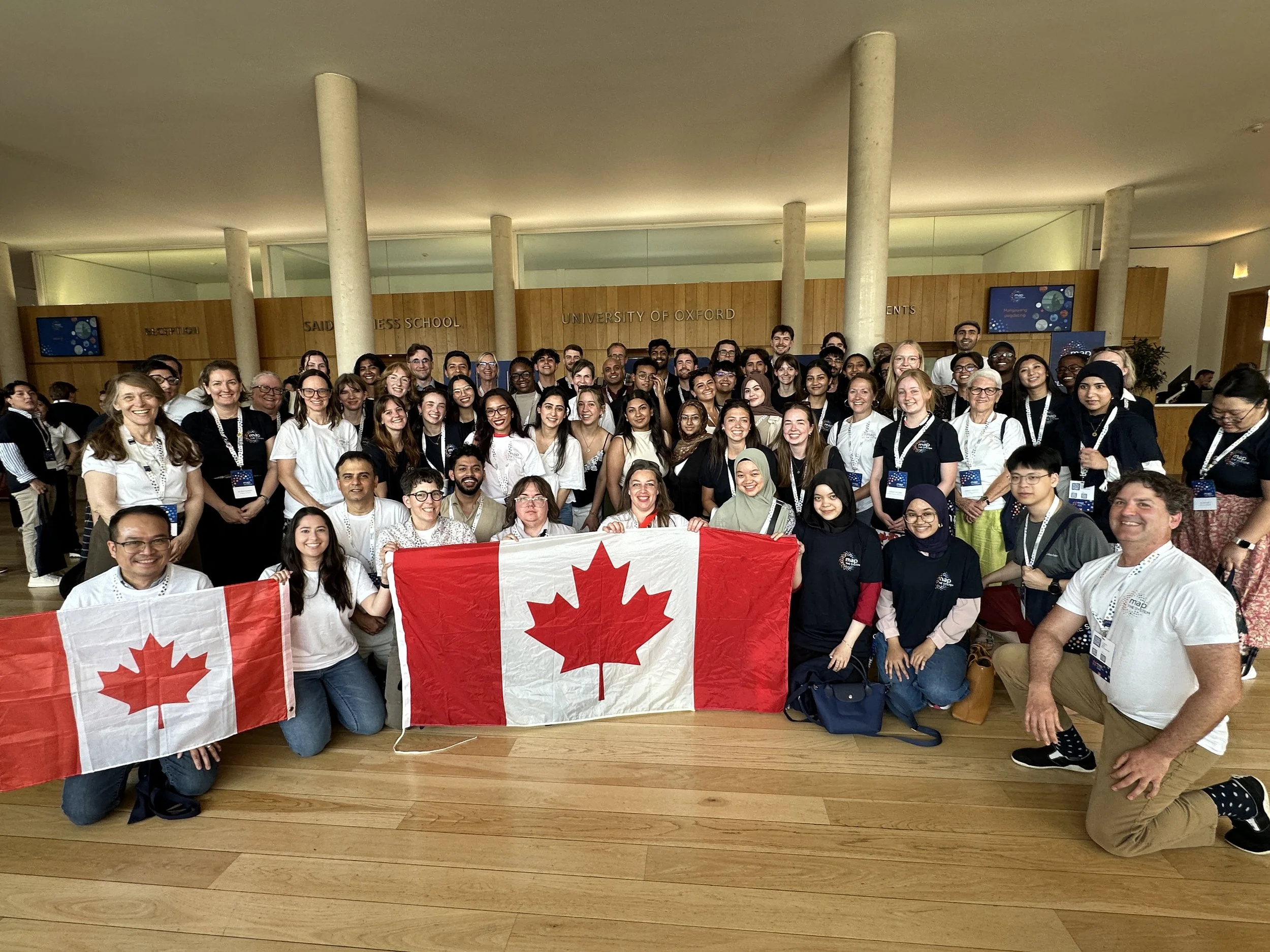
The Map the System Global Finals were held July 9-12 at Oxford University. Canada was represented by the Campus Winners from 14 institutions.
Top Canadian Finalists
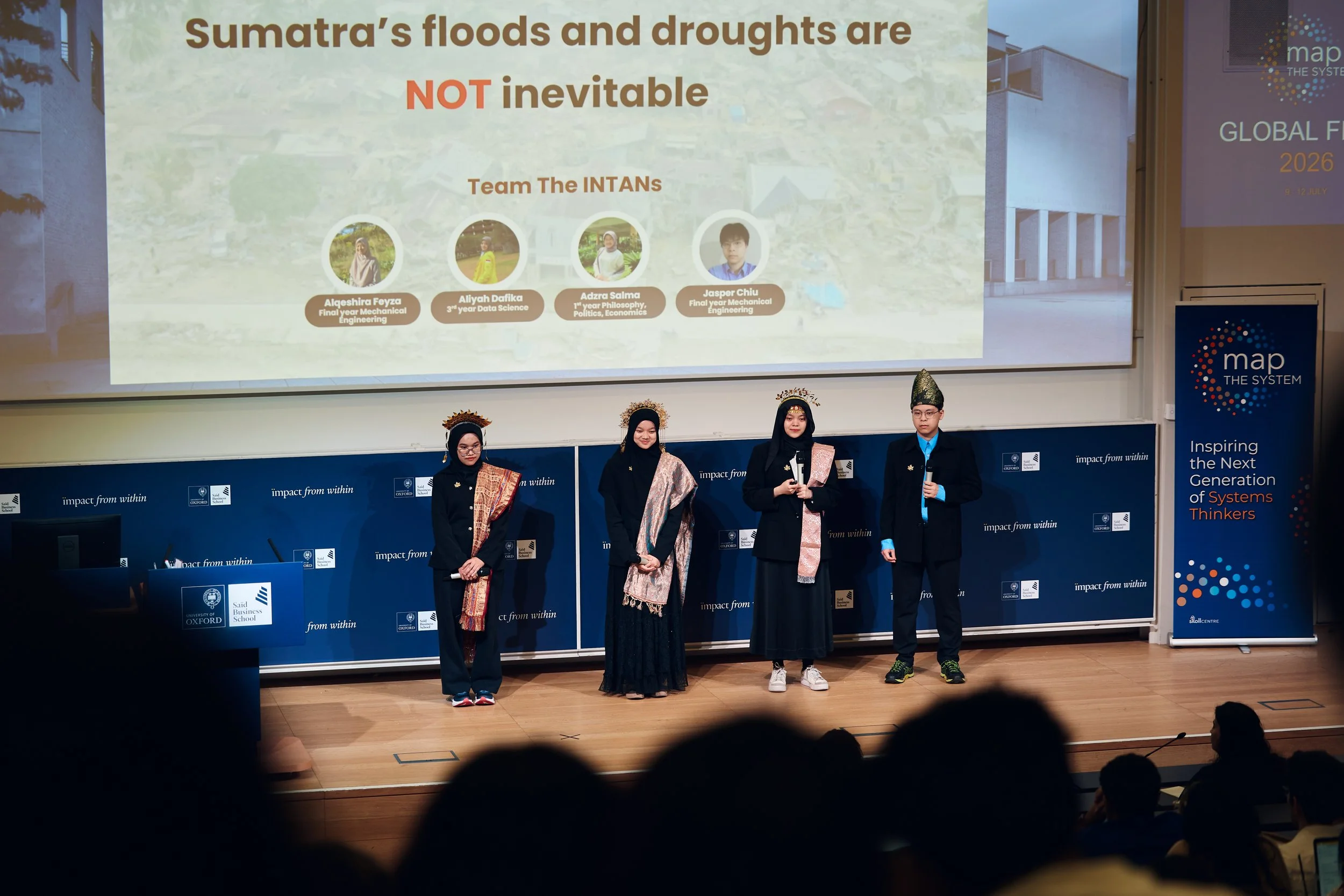
These students were chosen to present and represent their campus at the 2026 Global Finals
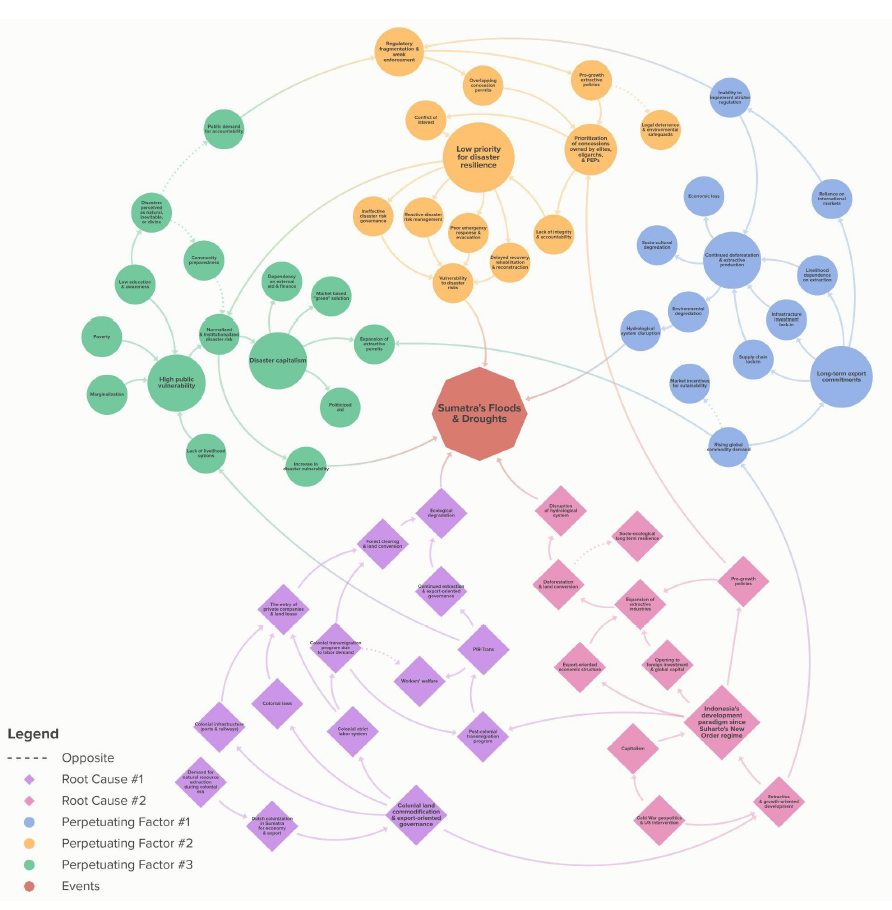
Floods and Droughts in Sumatra, Indonesia: Crises beyond Climate
We examined the recurring flood-drought crisis in Sumatra, Indonesia, asking why Sumatra faces severe floods in the rainy season and prolonged droughts in the dry season. Rather than treating this as a purely climate-driven problem, we used a systems-thinking approach to map the deeper social, political, economic, and ecological drivers behind it. Our research combined causal loop diagrams, stakeholder mapping, and the iceberg model with semi-structured interviews and secondary research from academic, NGO, and policy sources. Our key finding is that Sumatra’s crisis is rooted in a socio-ecological system shaped by extractive land use, global commodity demand, weak governance, and the normalization of disaster risk. We also found that many current responses remain reactive, addressing disaster impacts rather than the upstream drivers such as deforestation, peatland degradation, and concession-based land management.

Top 6 Global Finalist
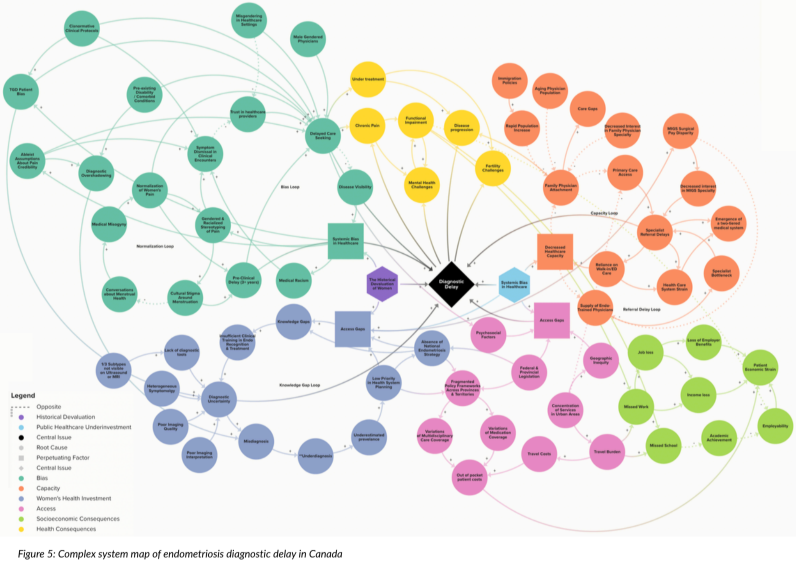
The Cost of Waiting: A Systems Analysis of Diagnostic Delay in Endometriosis in Canada
We examined the persistent diagnostic delay for endometriosis in Canada, a complex health-system challenge shaped by gender bias, limited clinical knowledge, and gaps in public awareness. Using a systems-thinking approach, we synthesized peer-reviewed literature, policy reports, and patient experience data to map root causes, key stakeholders, and reinforcing feedback loops that drive delays. Our analysis found that underdiagnosis and misdiagnosis are perpetuated by a cycle in which limited provider training and poor imaging interpretation create diagnostic uncertainty, reinforcing the perception that endometriosis is rare. This, in turn, reduces investment in research and education, further deepening knowledge gaps. Additionally, financial barriers and fragmented care pathways exacerbate delays, disproportionately affecting marginalized populations.

Excellence award for system mapping and analysis
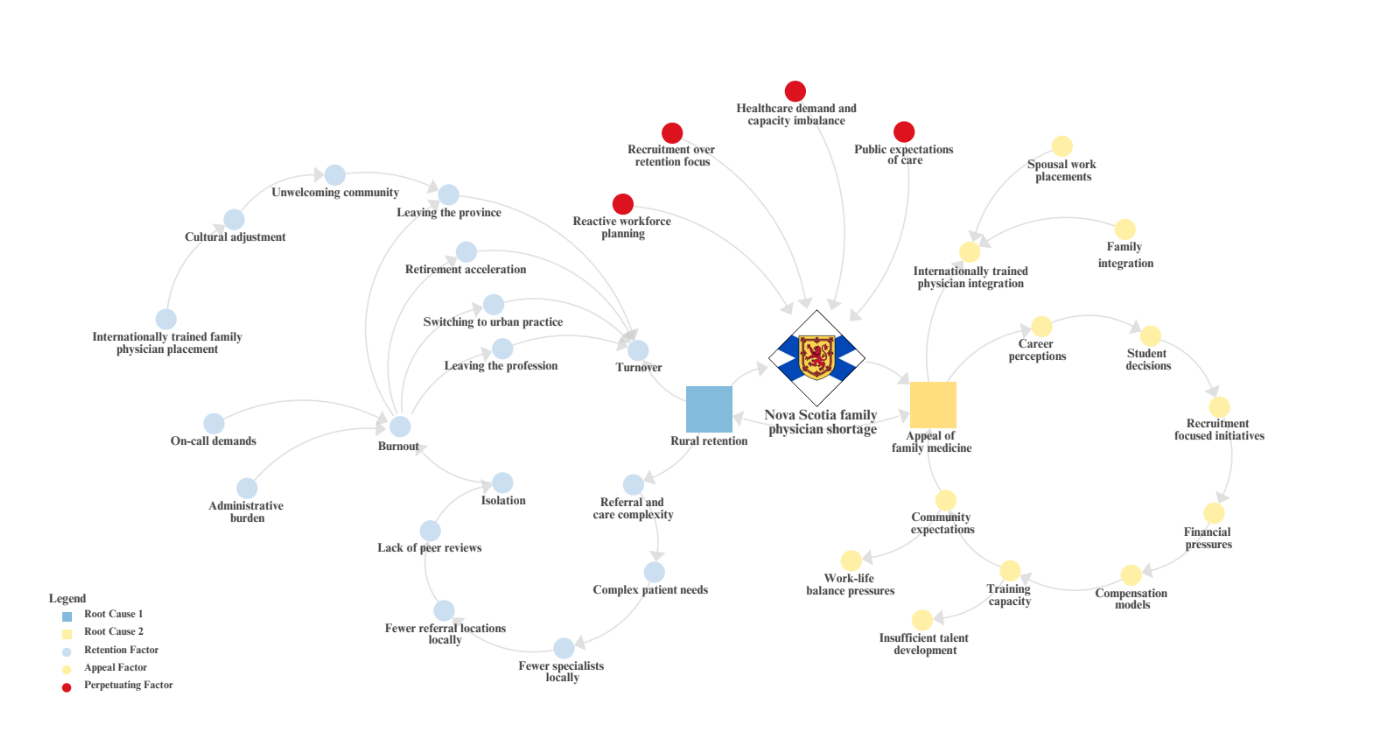
Beyond the Waitlist - A Systems Analysis of the Family Physician Shortage in Nova Scotia, Canada
Our research examined the growing shortage of general practitioners (GPs) in Nova Scotia, focusing on the underlying social challenge of limited access to primary healthcare. Rather than viewing this as a simple supply issue, we used a systems thinking approach to analyze root causes such as physician burnout, financial pressures, and low retention, especially in rural areas. Our research included academic sources, media analysis, and interviews with key stakeholders, including physicians and a medical student. Key findings show that retention, not recruitment, is the main issue, with many doctors leaving due to workload, isolation, and system inefficiencies. Additionally, financial barriers and poor support systems reduce the attractiveness of family medicine, reinforcing the cycle of shortages.

Excellence award for system mapping and analysis
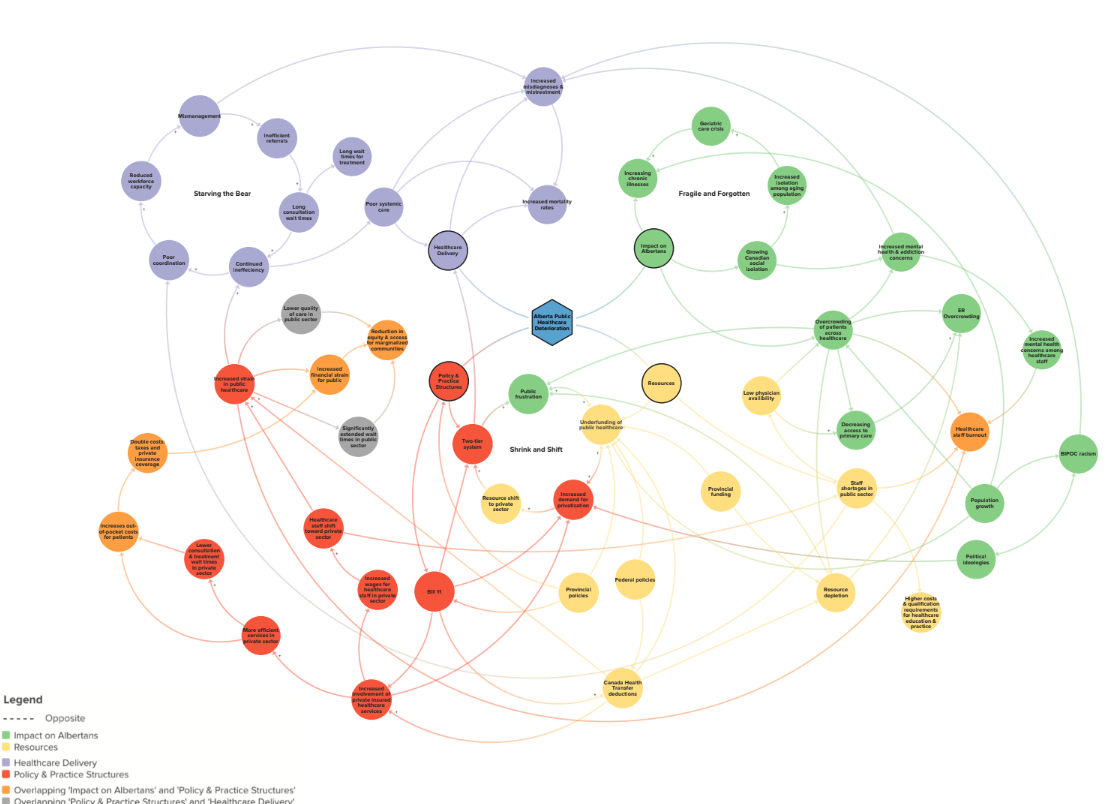
Alberta Public Healthcare Deterioration
This research examined the deterioration of Alberta’s public healthcare system, focusing on its differential impacts across communities and the roles of key stakeholders, including policymakers, healthcare workers, patients, and private providers. The study employed a qualitative, systems-based approach, synthesizing reports, policy analyses, and recent literature to identify structural trends over time. Findings indicate that persistent systemic pressures-- such as workforce shortages, funding constraints, and fragmented coordination-- have contributed to declining access and longer wait times. Additionally, emerging shifts toward a two-tier healthcare model appear likely to exacerbate inequities, reinforcing disparities in access and outcomes across socioeconomic and geographic groups.

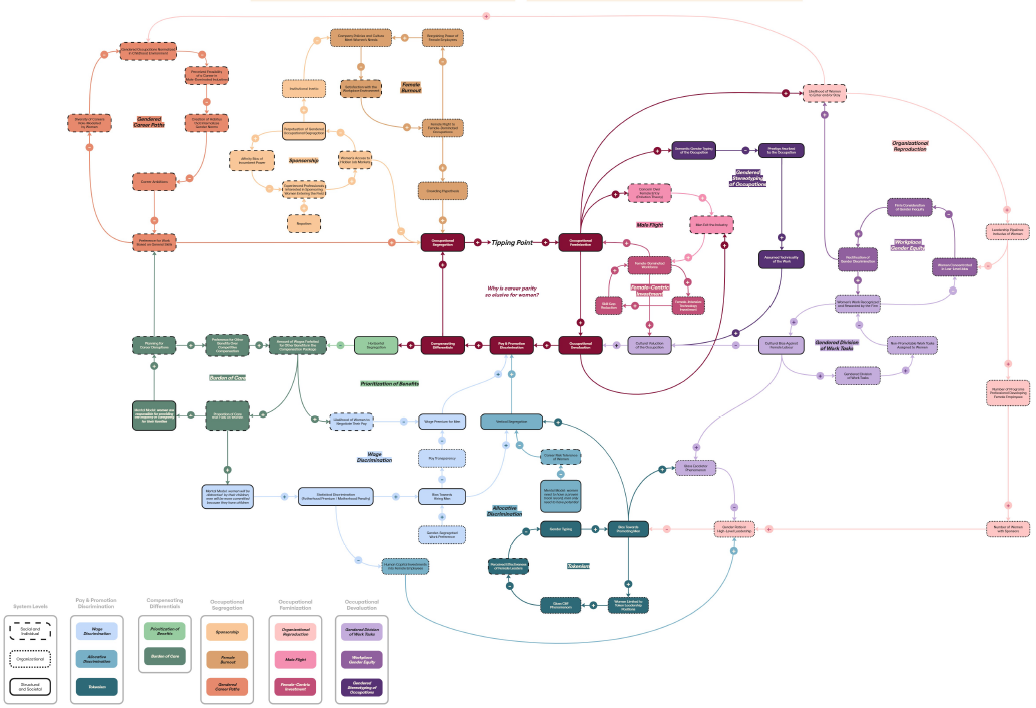
Unravelling the Femininomenon: How Occupational Gender-Shifts Trigger Industry Devaluation
Understanding why career parity remains elusive requires recognizing that the forces shaping women’s work lives do not operate independently. Pay and promotion discrimination shape early career conditions; women adapt through compensating differentials; these adaptations contribute to occupational segregation; segregation accelerates occupational feminization; and feminization triggers occupational devaluation. Devaluation then feeds back into discrimination in both pay and promotions for women. What seems like a sequence of discrete challenges is, in practice, one interconnected system that women must navigate again and again.

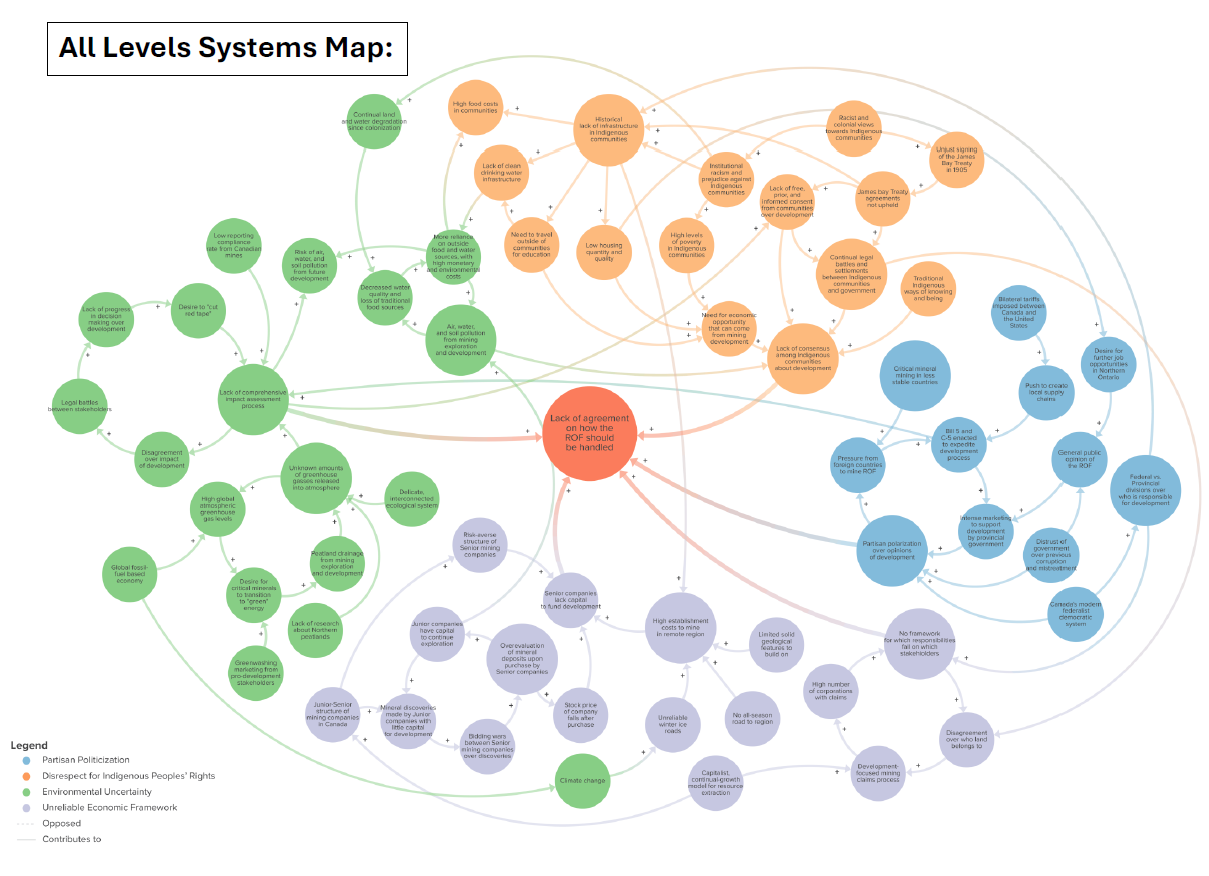
In Limbo: A Ring of Fire Mining Story
Our approach was to answer the question: Since the mineral discovery in Ontario's Ring of Fire (ROF), given the amount of time, litigation, and financial investments into the region, why has no agreement on how to deal with the mineral assets been reached? We found four root causes that have led to the lack of progress in the region: Environmental uncertainty, disrespect for Indigenous peoples’ rights, a fragmented and unreliable economic framework, and aggressive partisan politicization.

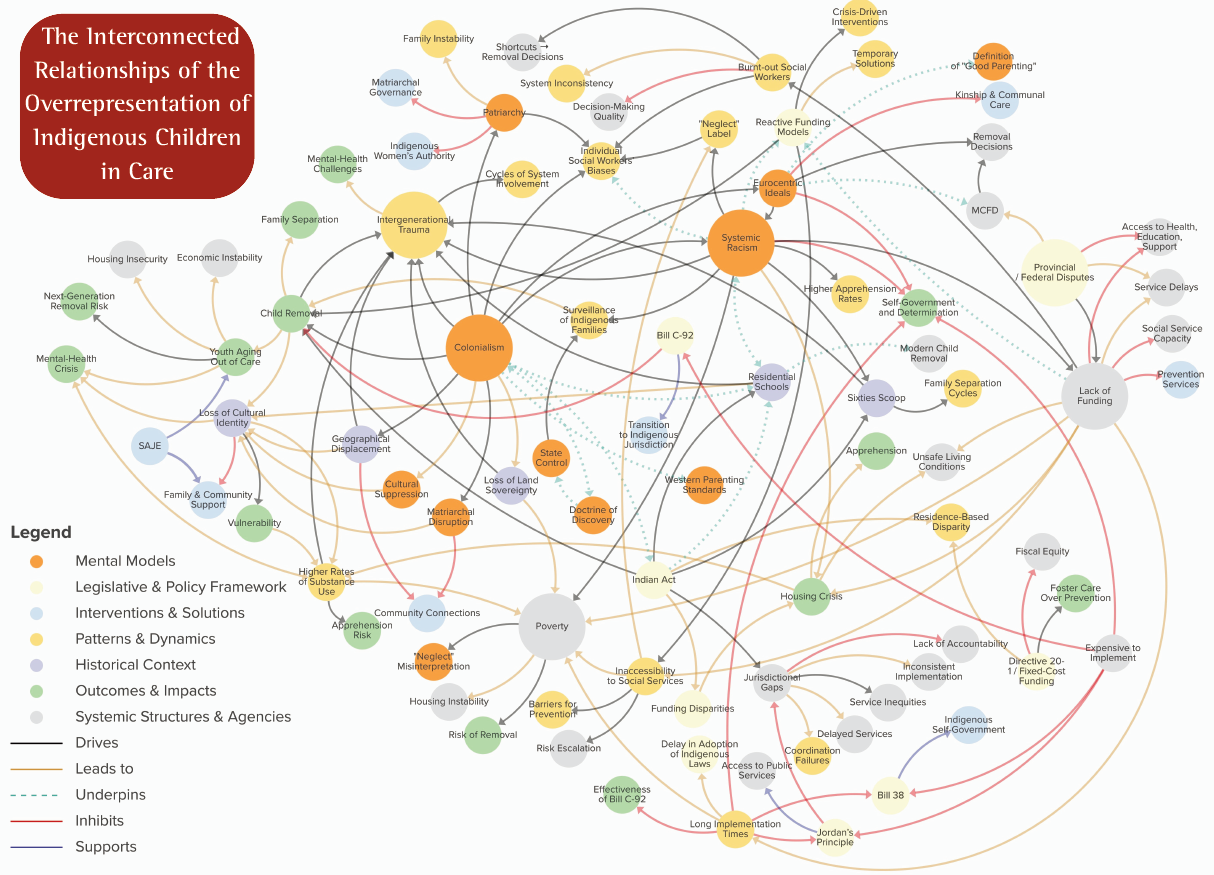
The Overrepresentation of Indigenous Children and Youth in British Columbia’s Child Welfare Systems
The residential school system in Canada left a profoundly harmful legacy with intergenerational impacts on Indigenous families, and the impacts and outcomes of the child welfare system in Canada have mirrored those of the residential school system.2 In 2021, despite being only 7.7% of the general Canadian child population, Indigenous children accounted for more than half (53.8%) of foster children.3 Over the last two decades, Indigenous representation in British Columbia’s child welfare systems rose from 48% to 68%, even as overall youth-in-care numbers declined in the province.4 This discrepancy and increase signal a deepening crisis, pointing to persistent systemic structures and interlocking relationships that reproduce and sustain these disproportionate outcomes over time. Our research aims to explore why the number of Indigenous children and youth in care is increasing, and why a huge proportion of children in foster care are Indigenous today. Rather than a single cause, Indigenous overrepresentation in BC foster care stems from interconnected systemic factors. We investigate how these complex feedback loops and emergent patterns perpetuate this crisis, looking beyond individual actors and actions to the structural relationships that amplify these outcomes.

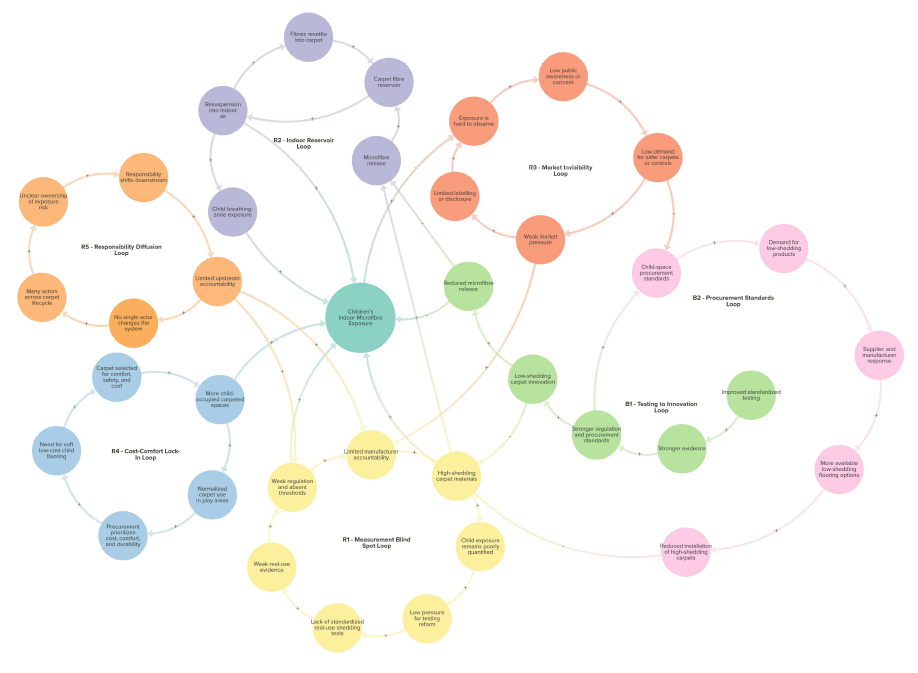
Under their Feet: Children’s Exposure to Microfibres
This report examines the environmental and health challenge of children’s inhalation of toxic microfibres within indoor carpeted environments. Children are uniquely vulnerable due to their proximity to the floor and underdeveloped respiratory systems. Our research was conducted by an interdisciplinary team that synthesized scientific literature with insights from industry seminars and feedback from Subject Matter Experts. Key findings indicate that indoor microfibre concentrations (up to 60 fibres/m³) far exceed outdoor levels. Furthermore, carpets function as both a sink and source; they accumulate fibres which are then repeatedly resuspended through routine activities like play, creating a continuous inhalation loop. This highlights a critical oversight in current microfibre research, which predominantly focuses on water contamination rather than indoor air quality

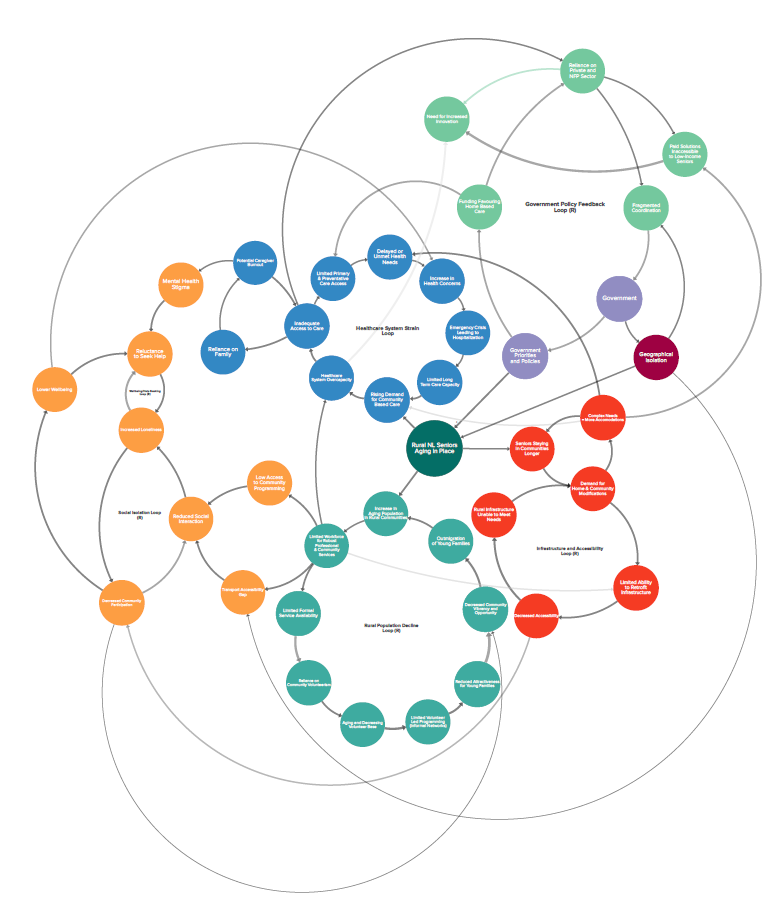
Aging in Place in Rural Newfoundland: Examining System Gaps in a Changing Landscape
Rural communities across Newfoundland & Labrador are experiencing significant demographic change with 44% of the population estimated to be 55 or older by 2024. With many wishing to age in place, my analysis examines gaps in the aging in place system. Research was conducted by secondary means. My most unexpected key finding is that construction and trades workers are an integral and direct part of this system - a group I would not have initially flagged from surface level research.

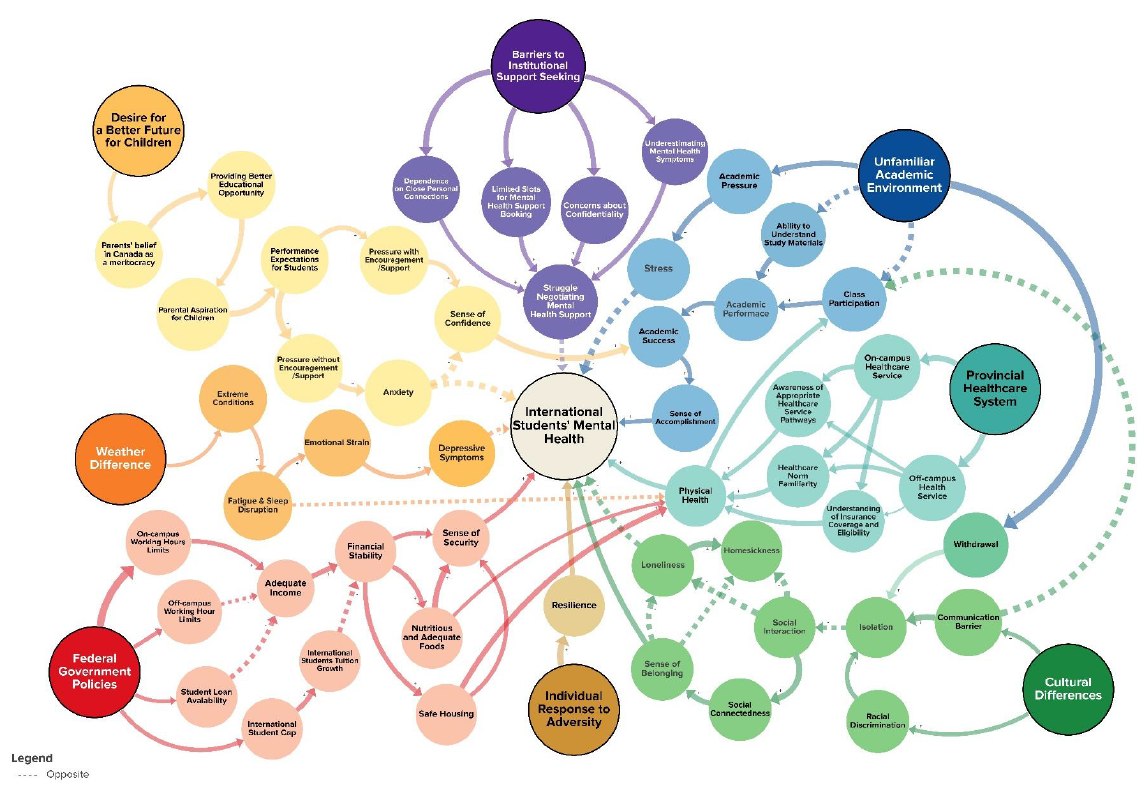
Post-Secondary International Students and Mental Health
Our research dives deep into the mental health challenges faced by post-secondary international students in Calgary during their first year of adaptation, framing the issue as a system-driven challenge rather than an individual one. While challenges often appear as stress, loneliness, and academic decline, our analysis shows they are shaped by interconnected financial, academic, cultural, and policy-level pressures. We used a systems-thinking, mixed-method approach, combining primary interviews with six institutional stakeholders and secondary data (e.g., CCWS), supported by systems mapping, causal pathways, and the Iceberg Model to uncover deeper system dynamics . Key findings reveal that financial instability, housing insecurity, and barriers to support-seeking are central drivers of distress, while existing services remain underutilized due to low awareness, stigma, and trust gaps. Overall, mental health outcomes are largely produced by misaligned systems rather than individual limitations.

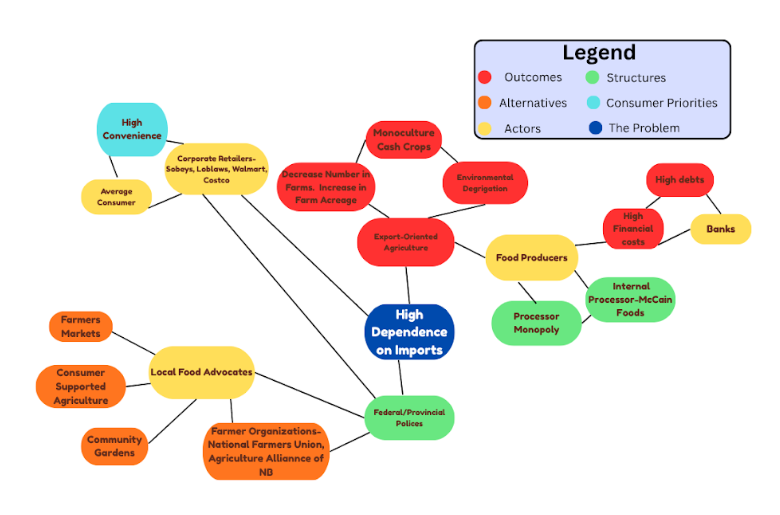
Importing Risk: Fragility in New Brunswick’s Import Reliant Food System
Our team examined the environmental challenge of the fragile New Brunswick import-reliant food system. We researched this systemic problem through many means, peer-reviewed journal articles, conversations with many professors who are in the environmental field, and going through census and provincial bill reports. Approaching our research, we used the 55 minute resource and the modules to approach resource through a systems lens. A key finding of ours was the need to empower the local food system through provincial policy, so they are able to diversify their crops away from monoculture production, and become more financially independent.

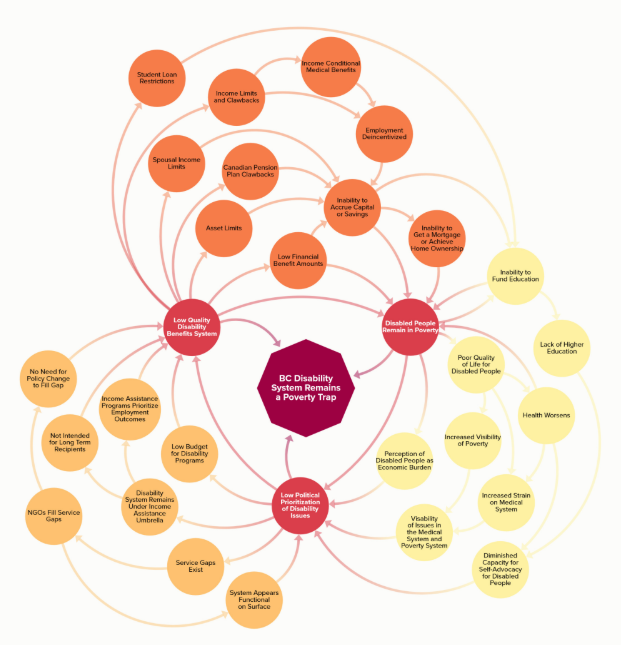
The Poverty Trap of BC Disability Assistance
This project delved into the BC disability assistance program in order to determine the cause of the poverty facing disabled people. I looked to academic papers and official reports from Stats Canada, the BC government and NGOs in order to answer this inquiry. What I found was how current policies have resulted in BC Disability Assistance being a poverty trap for disabled clients. Despite many calls to action and official reports to change the system, it remains stubbornly stagnant and refuses to change. This is due to the mindsets and mental models that created and perpetuate the system through the human actors involved in decision making along with the power dynamics of those most affected having the least power to enact change. This project reflects the need for a new mental model of disability and for systemic reformation to fix the poverty trap of the BC disability assistance program.

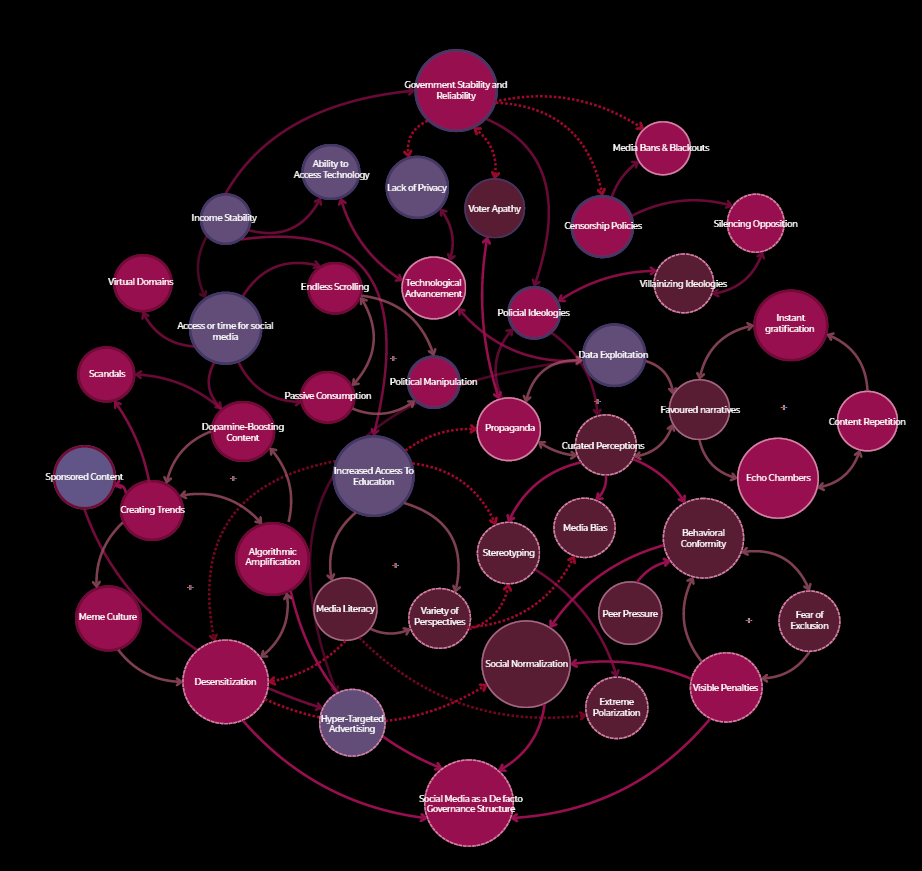
Social Media Platforms as a De Facto Governance Structure
Our group examined the impacts of social media and how it increasingly functions as a de facto governance structure. As technology continues to advance, society becomes more accepting of emerging systems like social media. This introduces a new level of complexity, one that remains largely unmapped and lacks democratic accountability. This is especially evident in the political landscape through issues such as censorship and misinformation. Through our research, we identified key stakeholders and the factors that sustain this system. With further discussion and analysis, we mapped potential solution landscapes and levers of change that could positively influence a system that has otherwise had negative impacts.

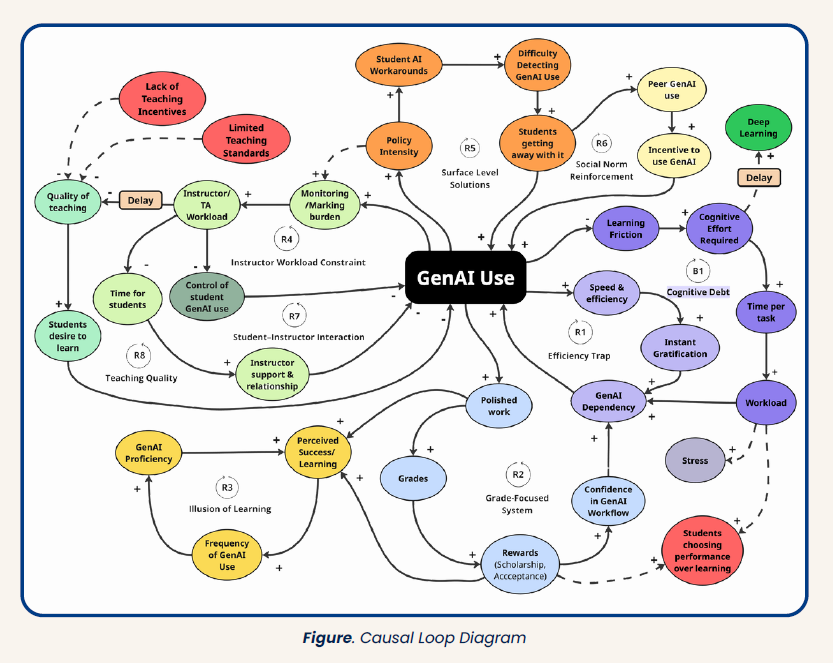
Why Students use GENAI: A Problem of Incentives
Our research examined why Canadian undergraduate students use generative AI in their academic work, treating it as a systems problem rather than simply an issue of student choice or new technology. We used a systems-thinking approach, combining an early student survey with interviews with faculty, academic leaders, policy and education professionals, and technical experts, alongside secondary research. Our key finding was that widespread GenAI use is driven less by student intent alone and more by system conditions such as workload pressure, time scarcity, grade-focused incentives, and assessment structures that reward polished output over learning process. We also found that many current responses, such as bans and detection tools, focus on visible symptoms rather than deeper causes, which limits their effectiveness. This suggests meaningful change requires redesigning the surrounding learning system, not just restricting the tool.